A Timeless Renowned Jewelry Brand
incl. 19% VAT

Your Cart

Earrings

Silver Pearl & Diamond Stud Earrings

SKU:AZ7842374

Alloy: Rose Gold
Gold Purity: Platinum (PT 950)
Length/in.: 39
QTY
in Stock

$ 464.00

Diamond

Emerald 3.50-3.70mm X 2.60- 2.80mm (0.18-0.22)

SKU:AZ7842374

Alloy: Rose Gold
Gold Purity: Platinum (PT 950)
Length/in.: 39
QTY
in Stock

$ 464.00

Necklaces

Emerald Necklaces

SKU:AZ7842374

Alloy: Rose Gold
Gold Purity: Platinum (PT 950)
Length/in.: 39
QTY
in Stock

$ 17,370.00

Diamond

Emerald 3.50-3.70mm X 2.60- 2.80mm (0.18-0.22)

SKU:AZ7842374

Alloy: Rose Gold
Gold Purity: Platinum (PT 950)
Length/in.: 39
QTY
in Stock

$ 464.00

Shipping

Calculated at Checkout

Subtotal

$20,500.00

Precious Gemstone

Choose Your Assortment

Refined Gemstone Insights Origins, Types & Intriguing Facts By G.Eager Jewels

Gemstones are nature’s masterpieces—formed over millions of years beneath the Earth’s surface or through organic processes. Each stone carries a unique story of origin, composition, and cultural significance. Below is a curated guide to some of the most iconic gemstones used in luxury jewelry.

Explore Our Gemstones

Amethyst
Aquamarine
Citrine
Emerald
Garnet
Emerald

Discover the Perfect Stone for Your Design

Garnet

Notable Origins

Mined in India, Madagascar, and the USA.

The Facts
  • Mineral Group: Includes pyrope, almandine, and spessartite varieties.
  • Color Diversity: Beyond red—appears in green (tsavorite), orange, and even color-change though deep red is most common.
  • Durability: Excellent for everyday wear;
  • Rated: 6.5–7.5 on the Mohs scale.
  • Symbolism: Represents loyalty, vitality, and regeneration.
  • Historical Use: Traded along the Silk Road; used in signet rings and royal seals

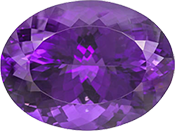
Amethyst

Geological Profile: A macrocrystalline quartz, colored by iron and natural irradiation.

Notable Origins

Found in Zambia (deep saturation), Uruguay (clarity), Brazil (large formations) and South Korea.

The Facts
  • A purple variety of quartz, with hues ranging from lilac to deep violet.
  • Rated 7 on the Mohs hardness scale.
  • Historical Prestige: Worn by Egyptian royalty and medieval clergy to signify divine connection.
  • Symbolism: Associated with sobriety, spiritual elevation, and inner peace.
  • Unique Trait: Exhibits pleochroism—subtle color shifts under different lighting angles.

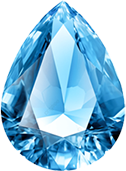
Aquamarine

Notable Origins

Mined in Brazil, Nigeria, Madagascar, and Pakistan.

Mineral Family

Beryl, cousin to emerald.

The Facts
  • Color Range: Ice-blue to seafoam green; deeper hues are more valuable.
  • Named after the Latin “aqua marina,” meaning “sea water.”
  • Cultural Lore: Associated with tranquility, courage, and protection for sailors. Rated 7.5–8 on the Mohs scale, making it suitable for daily wear.
  • Cutting Preference: Often faceted in emerald or oval cuts to enhance brilliance.
  • Clarity: Typically eye-clean, making it ideal for high-end transparent settings.

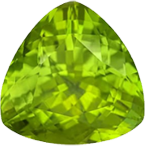
Peridot

Notable Origins

Found in Hawaii and Pakistan.

Geological Origin

Formed deep in Earth’s mantle; occasionally found in meteorites.

The Facts
  • Color Profile: Lime to olive green; no secondary hues.
  • Ancient Lore: Believed to ward off nightmares and illuminate darkness. Ancient Egyptians called it the “gem of the sun.”
  • Rated: 6.5–7 on the Mohs scale.
  • Cutting Challenge: Sensitive to cleavage—requires expert craftsmanship. For Exclusive Tailored Jewelry Customize Your Own
  • Eco Appeal: Often mined with minimal environmental disruption.

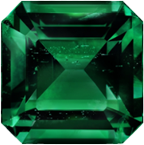
Emerald

Notable Origins

Colombia, Zambia, and Brazil are top sources.

The Facts
  • Gemological Identity: A green variety of beryl, colored by chromium and vanadium.
  • Highly prized for its vivid green hue and rarity.
  • Inclusions: “Jardin” (garden) inclusions are embraced as part of its organic beauty.
  • Historical Reverence: Cleopatra’s favorite gemstone; symbol of eternal youth. Symbolizes rebirth, love, and wisdom.
  • Treatment Disclosure: Often oiled to enhance clarity—transparency builds credibility.
  • Investment Grade: High-quality Colombian emeralds rival diamonds in value.

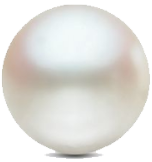
Pearl

Notable Origins

Cultured in Japan, China, and the South Seas.

Types

Akoya (Japan), South Sea (Australia), Tahitian (French Polynesia).

The Facts
  • Formation: Organic gem formed by mollusks; composed of aragonite and conchiolin.
  • Symbolism Purity, wisdom, and feminine grace.
  • Sustainability Note: Cultured pearls support marine stewardship when responsibly farmed.
  • Design Versatility: Complements both classic and avant-garde jewelry aesthetics.
  • Rarity: Natural pearls are rare; most are cultured.
  • June’s birthstone, often used in bridal and heirloom jewelry.

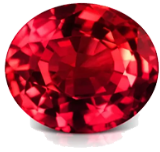
Ruby

Notable Origins

Myanmar, Mozambique, and Thailand are key sources.

The Facts
  • Mineral Class: Red corundum; colored by chromium.
  • Prestige Grade: “Pigeon blood” rubies from Myanmar command top-tier pricing.
  • Symbolism: Passion, protection, and royal authority.
  • Durability: One of the hardest gemstones (Rated Mohs 9), second only to diamond— ideal for heirloom pieces.
  • Treatment Transparency: Heat treatment is common; untreated stones are rare and prized.

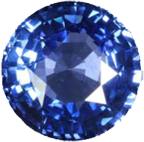
Sapphire

Notable Origins

Mined in Sri Lanka, Madagascar, and Australia.

The Facts
  • Color Range: Beyond blue—includes pink, yellow, green, and the rare padparadscha.
  • Cultural Legacy: Associated with divine favor and celestial wisdom
  • Technological Use: Synthetic sapphire used in high-end watch crystals and electronics.
  • Royalty: Used in royal jewelry, including Princess Diana’s engagement ring.
  • Design Flexibility: Pairs elegantly with platinum, white gold, and diamond accents. Customize A Unique Statement Piece.
  • Rated: 9 on the Mohs scale, ideal for everyday wear.

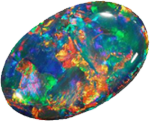
Opal

Notable Origins

Australia is the leading source, followed by Ethiopia and Mexico.

The Facts
  • Structure: Amorphous silica spheres create its iridescent “play-of-color.”
  • Types: Black opal (most valuable), white opal, fire opal, boulder opal.
  • Cultural Significance: Revered by Aboriginal Australians as a creator’s footprint.
  • Care Note: Sensitive to temperature and humidity—ideal for statement pieces, not daily wear. Customize Your Statement Piece
  • Rated: 5.5–6.5 on the Mohs scale.
  • Luxury Appeal: Each opal is one-of-a-kind, enhancing exclusivity.

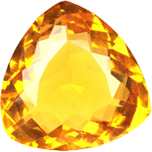
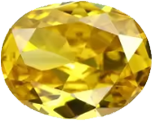
Citrine

Notable Origins

Found in Brazil, Madagascar, and Russia.

The Facts
  • Composition: Quartz infused with ferric impurities.
  • Color Spectrum: Pale lemon to Madeira orange; natural citrine is rare.
  • Energetic Value: Believed to attract wealth and dispel negativity.
  • Market Insight: Frequently misrepresented as topaz—education enhances buyer trust.
  • Design Appeal: Its warmth complements both yellow and rose gold settings.
  • Luxury Appeal: Each opal is one-of-a-kind, enhancing exclusivity.

Topaz

Notable Origins

Brazil, Nigeria, and Russia are major sources.

The Facts
  • Color Variants: Naturally colorless but often treated to produce blue, yellow, or pink hues. Imperial topaz (orange-pink) is the rarest and most valuable. Request A Call for Tailored Investment Portfolio.
  • Gemological Trait: Exhibits strong pleochroism and high refractive index.
  • Symbolism: Emotional balance, creativity, and truth.
  • Treatment Note: Blue topaz is often irradiated—disclosure builds trust.
  • Cutting Versatility: Available in large carat sizes, ideal for bold statement pieces. Customize A Timeless Piece.
  • Rated: 8 on the Mohs scale.